
People Buy The Home They Fall in Love With: Home Staging Secrets

When buyers walk into a home, their decision on its suitability forms in just seconds. The way a space feels can influence whether they see it as their future home or just another property. Home staging plays a crucial role in shaping these first impressions and guiding buyers’ emotions toward a positive decision. This post explores how thoughtful staging affects buyers’ emotional responses and decision-making, helping sellers present their homes in the best possible light.

How First Impressions Shape Buyer Perceptions
Buyers decide quickly. Research shows they form an opinion about a home within the first 7 to 10 seconds of entering. This sets the tone for how they view the entire property. A well-staged home feels inviting, spacious, and clean. It creates an atmosphere that buyers want to be part of.
Staging is more than arranging furniture. It’s about crafting a lifestyle that buyers can imagine living. It needs to be aspirational, especially for discerning buyers. For example, placing a cozy armchair near a window with soft lighting suggests a peaceful reading nook. This subtle cue helps buyers picture themselves enjoying the space, creating "moments", making the home more appealing.
Building an Emotional Connection with Buyers
People do not just buy houses; they buy the feeling of home. This is why we say that people buy the home they call in love with. Home staging helps create this emotional connection by adding elements that evoke comfort and warmth. Simple touches like soft throws, fresh flowers, or warm lighting can make a room feel welcoming and lived-in.
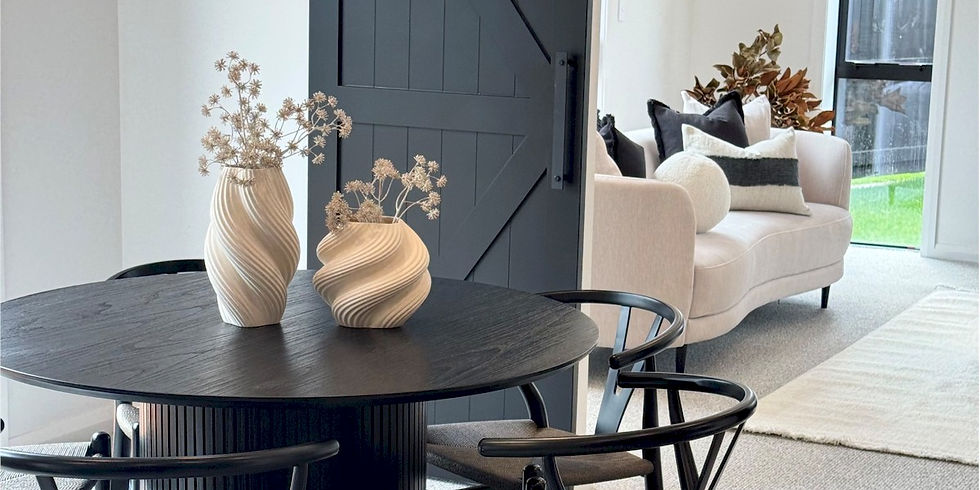
For instance, a dining table with enough seating to suit the size of the house, invites buyers to imagine family dinners and celebrations. These details help buyers connect emotionally, increasing the chances they will choose the home over others.
Simplifying the Visual Experience to Reduce Overwhelm
Clutter and personal items can distract buyers and make it difficult for them to focus on the home’s features. When a space feels crowded or personalised, buyers may struggle to see its potential.
Staging removes distractions and simplifies the visual experience. By using neutral colors, clean lines, and minimal décor, staging allows buyers to focus on the layout, size, and flow of the rooms. This clarity helps buyers process the space more easily and imagine how they would use it.
Showing How Spaces Can Work for Buyers
Some rooms can feel awkward or too small without guidance. Staging uses strategic furniture placement to demonstrate how these spaces can function. For example, a small corner can become a home office or reading area with the right setup.
Showing practical uses for each room helps buyers see value and versatility. It reduces uncertainty about how to use the space and builds confidence in their decision to buy.
The Psychological Power Behind Staging
Selling a home is not just about appearance. It’s about influencing how buyers feel and think. Staging taps into psychology by creating environments that appeal to buyers’ emotions and simplify their decision-making process. It must never to hide issues with the property or deceive. Older homes often require updating, and in these situations staging often shows that a home with well-loved finishes can still be made lovable and liveable as it is, until a buyer is ready to refresh them.
By carefully designing spaces that feel welcoming, functional, and easy to imagine living in, staging helps sellers connect with buyers on a deeper level. This connection often leads to faster sales and better offers.
Bringing It All Together
As Manawatu's most experienced home stager, we know that no two properties are the same. This is why we carry the largest inventory and have a dedicated styling and logistics team. To ensure each home gets the curated look it deserves, that appeals to each home's specific buyer demographic.
Home staging is more than making a property look attractive—it’s about creating an emotional experience that helps buyers envision a future in the home. First impressions happen within seconds, and a well-staged space sets the tone by feeling inviting, spacious, and functional.
This is why we firmly believe staging needs to look aspirational. By simplifying the visual experience, removing clutter, and using neutral tones, staging allows buyers to focus on the home’s features rather than distractions. Thoughtful details—like cozy reading nooks or a thoughtful seating area, creates "moments" that help buyers imagine living there, building a strong emotional connection.
Ultimately, staging leverages psychology to reduce uncertainty and guide decision-making, while not hiding any imperfections. When buyers can picture themselves in the space, they’re more likely to act quickly and confidently, leading to faster sales and better offers.
(c)2026 - by Beautiful Living. If you are re-using this article, either in part or in its entirety, please credit author and link to our website or socials.


Comments